Design Operating System

Departures

--:--
Flight Destination Gate Remark

Craft in service of systems.
Systems in service of humans.

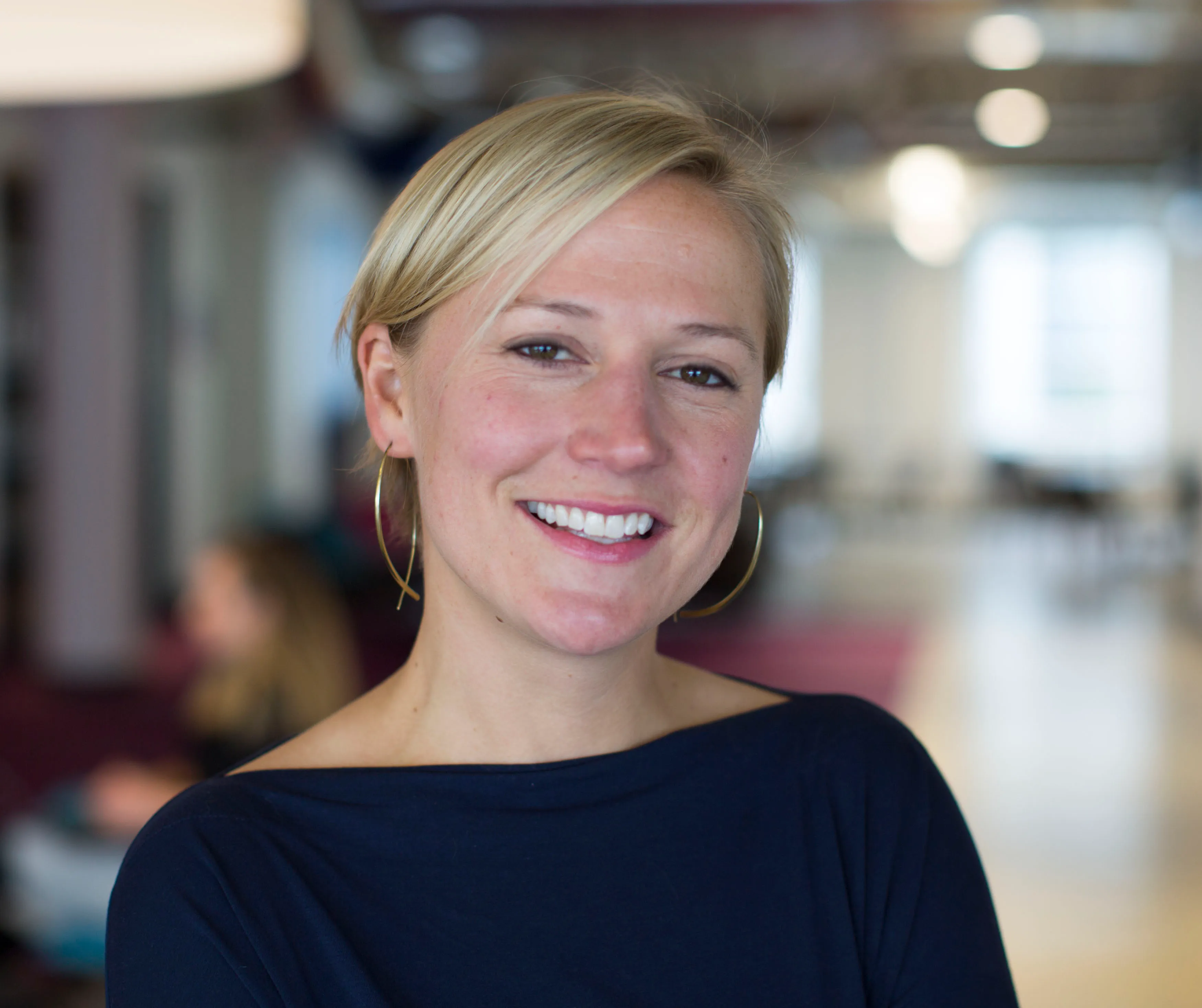
Emma Moystner, ArtCenter GIXD 2026

The Systems We Design Become The Way We Treat People.

Every system serves someone. A booking flow, a discharge process, a rebooking algorithm at 2 AM — each one is a decision about who matters and how much. Design is where that decision gets made, whether anyone in the room names it or not.

I think in systems. Not just how they work, but who they work for — and who they leave behind.

How the same process that feels seamless for one person becomes a wall for another. That's not a UX problem. It's a dignity problem. And it's the reason I design.

I believe design leadership is a practice, not a title. It's the practice of seeing entire systems through the lens of human experience, having the courage to advocate for the people inside them, and building up the designers behind you. Empowering them, challenging them, making them better than you found them. Influence isn't given. It's earned by making the work undeniable.

I believe empowerment is performance. The leaders I admire most aren't the ones who hoard influence or gatekeep expertise. They lift others up. They lead with generosity even when the pressure is high. A leader who builds capability in others compounds her impact. A leader who only extracts output eventually runs out of both.

I believe the stakes demand dignity, not speed. When you're designing for someone who is sick, scared, exhausted, or stranded, you don't get to move fast and break things. Aviation, healthcare, wellness. These aren't products optimizing for engagement. They're systems where design decisions carry real weight, where getting it wrong is measured in human wellbeing, not conversion rates. Design, for me, is a form of service. Service to the humans inside the system. Service to the dignity they deserve. Service to the possibility that the system could be more humane.
How I Work: From Signal to System

01 Read the System +
Before touching a pixel, understand what you're inside of. Regulatory constraints, operational workflows, cross-functional politics, and the lived experience of the humans moving through the system. The design problem is rarely what it looks like on the surface.
02 Find the Seams +
Identify where the system fails the human. The seams between departments, handoffs between channels, moments where someone falls through the cracks. In complex industries, these joints are where design creates the most value.
03 Frame the Problem +
Translate system complexity into a problem the team can act on, in language that engineering, clinical, and operations stakeholders can all hold. The best frame makes the right intervention obvious.
04 Design with Data and Craft +
Bring craft precision to the moments that carry the most weight. In aviation, healthcare, and wellness, those moments are high-stakes and human. Use data to validate, not dictate. The human work stays human: framing, judgment, empathy.
05 Zoom Out, Then Zoom In +
Move between the ecosystem map and the single screen. Pressure-test every detail against the whole, and ground every system decision in what it feels like to be the person inside it. Not a linear process — a continuous reframe.

Who I've learned from

Katie Dill Katie Dill Stripe Lyft Airbnb
Design Leader
Katie Dill

Dill built her authority at Stripe and Lyft through craft, not title. She proved that design quality directly moves business metrics, and that an IC leader who can still make the work earns a different kind of trust. The lesson: influence isn't granted by hierarchy. It's earned by making the work undeniable.

Duolingo Luis von Ahn Duolingo streak Duolingo
Organization
Duolingo

Duolingo proved that data-driven design and human-centered design aren't in tension. Rigorous experimentation and playful empathy compound each other. The lesson: empowerment is performance. Leaders who build capability in others compound their impact. Leaders who only extract output eventually run out of both.

Where rigor and care coexist

The teams I want to be part of are organized for clarity. Systems designers hold the big picture: service maps, cross-channel flows, the ecosystem view. Craft specialists own the details where the system meets the human. The IC design leader has deep craft and systems fluency. They influence through quality, not headcount. That's the role I want to grow into.

Inside that structure, designers don't sit adjacent to product and engineering. They sit inside the same system, co-creating from problem framing forward. Critique is a practice, not an event. Work gets reviewed against the system it serves, not against aesthetic preference. Growth means craft depth, systems fluency, and the ability to influence without authority. Not output volume. Not visibility.

What I want to add to that kind of team is rigor and care, held together. Rigor without care produces burnout. Care without rigor produces mediocrity. The best teams I've seen hold both, and they do it through leaders who are kind and empowering even when the pressure is high. People who lift others up instead of hoarding influence. That's the kind of environment where people do the best work of their careers and stay long enough to compound it.

05 — Contribution to Humanity

The stakes demand dignity

01
Infrastructure,
not product
Aviation, healthcare, wellness. The systems I want to design for aren't consumer products optimizing for engagement. They're infrastructure for human life at its most consequential.
02
The UX
of dignity
When someone is sick, scared, or stranded, every UX decision is a dignity decision. The measure isn't whether the interface feels smooth. It's whether the person comes through the system with their dignity intact.
03
Systems
thinkers
AI is commoditizing production. Ambient computing is dissolving screens. Every one of these shifts demands designers who think in systems and have the courage to ask: who is this serving?
04
The operating
system
Craft in service of systems. Systems in service of humans. That's the operating system I intend to run on.
05
The long
view
Products get replaced. Interfaces get redesigned. The screen you spent six months on will eventually be someone else's redesign project. What persists isn't the artifact. It's the standard you held when no one was watching. That's what I want the next designer to inherit.
06 — Practice Areas

Where I Operate

Area 1
AVIATION &
TRAVEL
The full passenger journey from booking to baggage claim. Reservation systems, airport operations, disruption recovery, and the emerging intersection of AI, ambient computing, and biometric identity.
Area 2
HEALTHCARE &
LIFE SCIENCES
Clinical workflows, patient navigation, discharge processes. Designing for people who are sick, scared, or exhausted, where a well-designed experience is a matter of dignity, safety, and trust.
Area 3
WELLNESS &
WELLBEING
Behavioral design for sustained health outcomes. Habit formation, sustained engagement, the systems that support people in maintaining their health, not just recovering from illness.
Emma Moystner

Let's design systems that serve people.

I'm Emma Moystner — a career-changer turned systems-oriented interaction designer from ArtCenter College of Design. If you're working on aviation, healthcare, or wellness systems that need a designer who thinks beyond the screen, I'd love to talk.

Toolkit
Tools
Figma Adobe Creative Suite Unity Blender Claude Code Notion Miro HTML / CSS / JS
Strengths
+Systems Thinking. Reading the full ecosystem before touching a pixel.
+Cross-Functional Facilitation. Translating between product, engineering, and data.
+Craft Precision. Deep attention to the moments that matter most.
+Empathic Advocacy. Arguing for the person inside the system.
+Calm Under Complexity. Holding ambiguity without collapsing it too soon.